EMDR Therapy Near Colorado Springs
Find healing from trauma, anxiety, and distress with EMDR and Trauma Therapy
What Is EMDR Therapy?
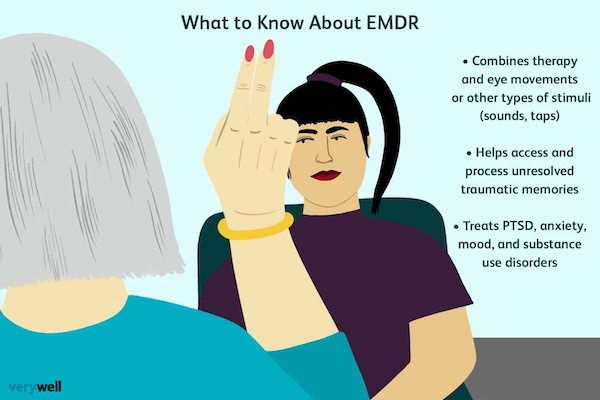
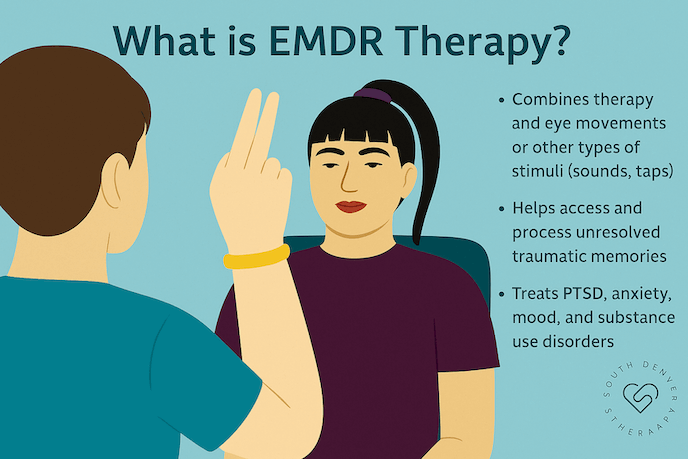
EMDR therapy (Eye Movement Desensitization and Reprocessing) is a structured, evidence-based approach that helps people process and heal from distressing or traumatic experiences. It works by gently stimulating the brain through guided eye movements, taps, or sounds – techniques such as lateral eye movements that help “unstick” painful memories so your mind can reprocess them in a healthier way.
Unlike traditional talk therapy, EMDR doesn’t require you to describe every detail of what happened. Instead, it helps your brain reorganize how those memories are stored so they no longer carry the same intense emotional weight. Many clients report feeling lighter, more grounded, and less reactive even after just a few EMDR sessions. Client reports after each session provide valuable feedback about their experiences, thoughts, and feelings, helping to guide the therapy process and assess progress.
EMDR is particularly effective for:
PTSD and other trauma (including combat trauma and assault)
Anxiety, panic attacks, and phobias
Difficult or painful childhood experiences
Grief and loss
Distressing event (such as accidents or sudden loss)
Negative self-beliefs (low self-esteem, guilt, shame)
At South Denver Therapy, we ensure each EMDR session is personalized and paced for your comfort. Whether you’re grappling with a recent crisis or a long-standing painful memory, this trauma treatment in Colorado Springs offers a path forward — one step at a time.
How Effective Is EMDR Therapy?
EMDR has gained recognition as one of the most effective treatments for trauma and post-traumatic stress. Decades of research and dozens of clinical trials have demonstrated that EMDR helps people successfully process traumatic memories and can often bring relief faster than many other therapeutic methods. In fact, major health organizations like the World Health Organization and the U.S. Department of Veterans Affairs officially recognize EMDR as a best-practice therapy for treating PTSD. The Department of Veterans Affairs and Department of Defense list EMDR as a ‘best practice’ in treating veterans with PTSD. Beyond PTSD, EMDR has been used successfully to treat anxiety disorders, depression, phobias, and grief.
A key to EMDR’s effectiveness is its use of bilateral stimulation – for example, guided eye movements or alternating taps that engage both sides of the brain. During bilateral stimulation, clients are encouraged to notice their body sensations as they process memories, which helps facilitate emotional healing. This process activates your brain’s natural healing mechanisms, allowing disturbing memories to be “re-filed” in a way that drains away their intense emotional charge. EMDR relies on the Adaptive Information Processing (AIP) model, which recognizes that the brain stores normal and traumatic memories differently. Over time, traumatic memories start to feel more distant and less overwhelming. You won’t erase what happened, but it will no longer trigger the same fear or pain. Instead, you can begin to feel more in control of your thoughts and emotions.
Adults seeking EMDR at South Denver Therapy can ask Judy about fit and in-person appointments at our Maleta Lane office in Castle Rock. See current EMDR appointments and fees. There is no fixed number of sessions or promised outcome.

Carissa Keeter, LCSW — Existing Clients
Carissa is not accepting new patients. Judy Branch, LPC is accepting adults for EMDR therapy in Castle Rock at our Maleta Lane office. Ongoing EMDR sessions are in person. Judy’s free 15-minute consultation is online. Rates are $215 for 60 minutes and $322 for 90 minutes.
How EMDR Therapy Can Help

Trauma Healing
EMDR helps you process and release the emotional weight of traumatic events, painful events, and distressing experiences, allowing you to finally move forward with your life. It also helps reframe negative beliefs and replace them with a positive belief, supporting lasting emotional change.

Symptom Relief
Many people see a reduction in symptoms associated with anxiety, depression, and PTSD. As those burdens lighten, overall mental well-being can improve.

Faster Progress
EMDR often leads to improvements more quickly than traditional talk therapy. It’s a valuable choice if you’re seeking an efficient path to feeling better.

Reprocessing Memories
Reprocessing EMDR therapy guides you in safely revisiting a targeted memory and “rewiring” how it’s stored. Gradually, those memories lose their grip, leading to genuine emotional healing.

Emotional Stability
EMDR equips you with tools to manage your emotions more effectively. You may find yourself less reactive to stress and better able to handle life’s challenges. It is common to feel tired or have heightened emotional states after an EMDR session, as the brain continues to process information.

Better Self-Understanding
As you go through EMDR, you develop deeper self-awareness. Gaining insight into your reactions and beliefs fosters personal growth and a clearer understanding of yourself.
The EMDR Process: What to Expect
Embarking on EMDR therapy is a collaborative process between you and your therapist, designed to help you safely reprocess traumatic memories and move toward lasting healing. EMDR is grounded in the understanding that the brain has a natural ability to process and heal from traumatic experiences, much like it does during rapid eye movement (REM) sleep. During therapy, your EMDR therapist will guide you through a structured series of steps, always at a pace that feels right for you.
From the very first session, you’ll work together to identify the specific traumatic experiences or distressing memories that are holding you back. Your therapist ensures that you feel supported and prepared, teaching you coping skills to manage any emotional distress that may arise. As you progress, you’ll use gentle eye movement or other forms of bilateral stimulation to help your brain process these memories in a new, less painful way. The goal is to help you integrate these experiences into your life story, so they no longer cause overwhelming distress or keep you feeling stuck. Throughout the process, your therapist is there to support, encourage, and guide you, making EMDR a truly collaborative and empowering journey.
Phases of EMDR Therapy
EMDR therapy is thoughtfully organized into eight distinct phases, each serving a unique purpose in your healing journey. The process is flexible and always tailored to your individual needs, ensuring you feel safe and supported every step of the way.
The initial phases focus on building a strong therapeutic relationship and preparing you for the work ahead. Together, you and your therapist will identify the traumatic memories or distressing events that need attention, and you’ll learn practical techniques to manage emotional distress both during and between sessions. This preparation is key to making sure you feel confident and in control as you move forward.
The heart of EMDR therapy happens in the middle phases, where you’ll begin the actual processing of traumatic memories. Using bilateral stimulation—such as guided eye movements, gentle taps, or sounds—your therapist helps you access and reprocess these memories. This unique approach allows your brain to “re-file” the memories, reducing their emotional charge and making space for more positive beliefs about yourself.
In the final phases, the focus shifts to consolidating your progress and strengthening your ability to handle future challenges. You’ll work on reinforcing positive beliefs and ensuring that any remaining distress is addressed, so you leave therapy feeling empowered and resilient. Each phase is designed to help you process, heal, and move forward with greater emotional stability and self-understanding.
EMDR Therapy Techniques
EMDR therapy uses a variety of specialized techniques to help you heal from past trauma and address a wide range of mental health issues. One of the core techniques is bilateral stimulation, which often involves following the therapist’s fingers with your eyes, listening to alternating sounds, or feeling gentle taps on your hands. This process is thought to mimic the brain’s natural healing during REM sleep, making it easier to reprocess traumatic memories and reduce their impact.
Beyond bilateral stimulation, EMDR therapy incorporates positive beliefs to help replace the negative self-assessments that often result from traumatic experiences like childhood abuse or physical trauma. As you work through distressing memories, your therapist will guide you in identifying and strengthening these positive beliefs, supporting your journey toward greater self-esteem and personal growth.
Another important technique is the body scan, which helps you tune into physical sensations that may be linked to unresolved trauma. By becoming more aware of how your body responds to certain memories, you can learn to release tension and manage emotional distress more effectively.
These techniques make EMDR a highly effective treatment for conditions such as post traumatic stress disorder (PTSD), complex trauma, dissociative disorders, and other mental health issues. Whether you’re struggling with the aftermath of a traumatic event, ongoing anxiety, or the lingering effects of painful life experiences, EMDR therapy offers a compassionate, evidence-based path to healing and transformation.

Why Choose Us For EMDR Therapy

Therapist, LPC
Judy Branch, LPC, offers EMDR for Adults. Ask about her approach and whether it fits your goals during a free consultation.

Non-judgmental and Compassionate
We provide a safe, welcoming space where you can share anything without fear of judgment. You’ll be met with understanding and empathy at every step.

Cultural Sensitivity
We recognize that everyone’s background and experiences are unique. Our team is committed to being culturally sensitive and respectful, honoring your individuality.

Free Consultation
Judy offers a free 15-minute online consultation to discuss your needs and goals. Ask questions and discuss fit before beginning in-person EMDR at our Castle Rock office.

Confidentiality & Privacy
Your privacy is extremely important to us. We maintain strict confidentiality, so all of your personal information and discussions remain secure. You can feel safe knowing that what you share stays between us.

LGBTQ-Friendly
Our practice is a haven for everyone, regardless of sexual orientation or gender identity. We pride ourselves on being an inclusive, LGBTQ+‑friendly space that welcomes you with open arms.
What Our Clients Say

EMDR Therapy Near Colorado Springs
We welcome adults from Colorado Springs for in-person EMDR with Judy Branch, LPC, at 753 Maleta Lane, Suite 101F, Castle Rock, CO 80108. Learn about current appointments on our Castle Rock EMDR page, or request a free 15-minute online consultation to discuss fit and travel to the office.
EMDR therapy can help you process and heal from a wide range of issues, including disturbing life experiences, disturbing experiences, and any disturbing event that may be causing emotional distress or flashbacks. We have extensive experience supporting clients with psychological trauma, including trauma related to the perinatal period, as well as other significant life events.
We know how important it is for therapy to be accessible and tailored to your needs. That’s why every EMDR session is customized to support your unique healing journey, at a pace that feels comfortable for you.
Whether you’re just beginning your therapy journey or picking up where you left off, our compassionate therapist will be there to walk alongside you every step of the way.

Frequently Asked Questions
-
The number and pace of sessions vary with your history, goals, readiness, and progress. Judy will discuss your plan and adjust it with you. No particular timeline or outcome can be guaranteed.
-
Judy Branch, LPC sees new adult EMDR clients in person at 753 Maleta Lane, Suite 101F, Castle Rock, CO 80108. Her free 15-minute consultation is online. Carissa is not accepting new patients.
-
South Denver Therapy is private pay and does not bill insurance directly. Judy Branch’s rates are $215 for 60 minutes and $322 for 90 minutes. Potential out-of-network reimbursement depends on your plan. Ask about costs and payment during your free consultation.
Our Services

Couples counseling is a roadmap for strengthening your relationship. It focuses on enhancing communication, resolving conflicts, and deepening your emotional connection, ensuring you both grow together through life's challenges.

Premarital counseling is a helpful guidebook for your relationship. It's all about preparing you both for the journey ahead, tackling things like communication, conflict resolution, and expectations.

When trust takes a hit, it can be tough to figure things out. That's where infidelity therapy steps in. It's a safe space to navigate through the tough emotions, rebuild trust, and work on healing after infidelity.

Our Couples Intensive is all about bringing back the love flame. With custom exercises and guidance, find again the closeness and understanding, making your love shine bright once more.